Our History
Over 125 Years
The history of TBS Companies is shaped by builders, problem-solvers, and brands that earned trust through the work.
From the start, TBS Companies has grown by focusing on what lasts: strong teams, dependable products, and projects built with care. Over time, that approach expanded into a platform that supports multiple specialized companies, each with its own roots and expertise. By bringing Trachte, Trac-Rite, MakoRabco, and Fire Facilities together, TBS Companies carries forward the best of each organization while creating shared momentum for what comes next. Our history is not a timeline of milestones alone. It is a record of steady improvement, long term relationships, and a commitment to doing the work the right way.
1900s
1899
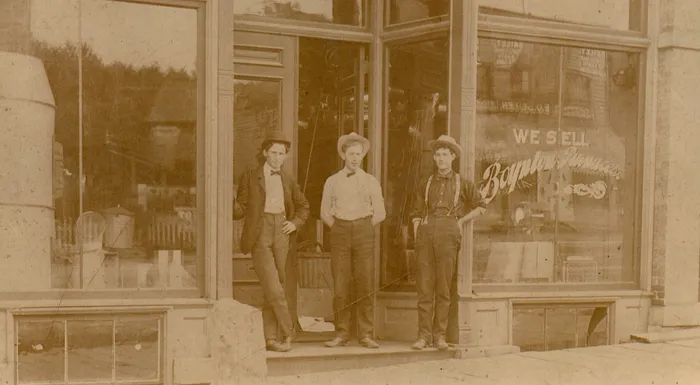
Trachte brothers, George, age 21, and Arthur, age 19, travel from Watertown, WI to Madison, WI to pursue work. Both have become experienced apprentices to the tinsmith trade. At the age of 14 and 16, respectively, George and Arthur began to learn the trade of “tinner.”
1901
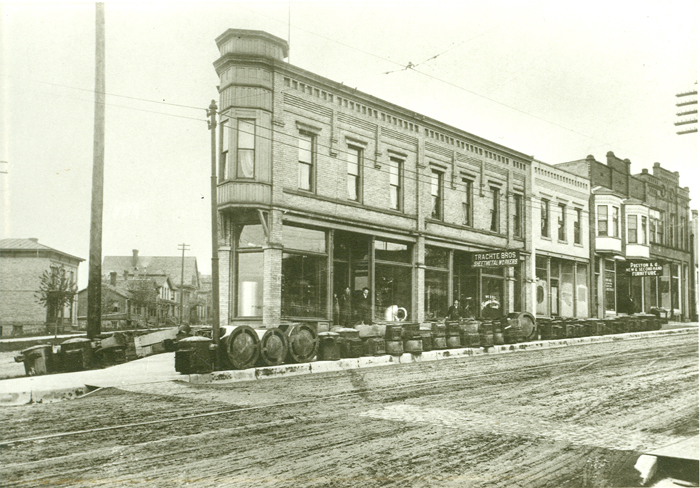
With a capital investment of $200, the Trachte brothers rent 600 sq. ft. of space at 233-235 King Street and open Trachte Brothers Sheet-Metal Workers. Their first order is for $10 worth of dippers and pans from Madison Candy Company. The city directory lists the brothers as being Madison’s youngest businessmen.
1907
Trachte Brothers Co. moves to a larger space at Bedford and West Washington Ave. near the Illinois Central Depot.
1910s
1912
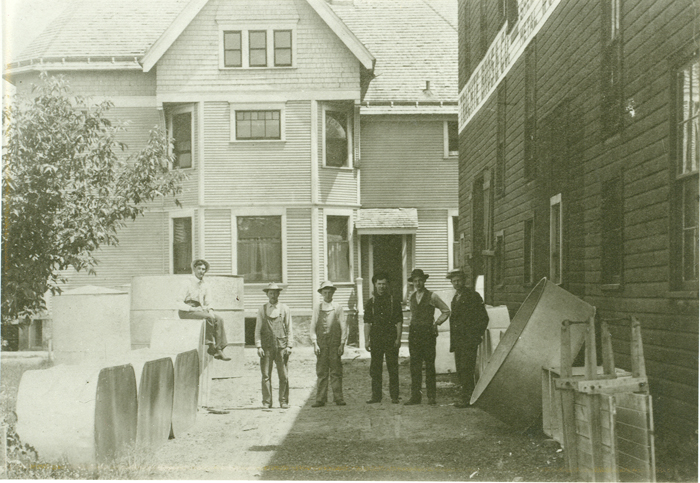
Trachte Brothers Co. designs and patents a roll-forming machine to manufacture corrugated livestock water tanks. Their new design of packing and riveting tanks instead of using solder revolutionizes the tank industry.
1914
Trachte Brothers once again outgrow their space and purchase a former bicycle factory at 102 N. Dickinson St. in Madison, WI. This will be the company’s home until 1985.
1916
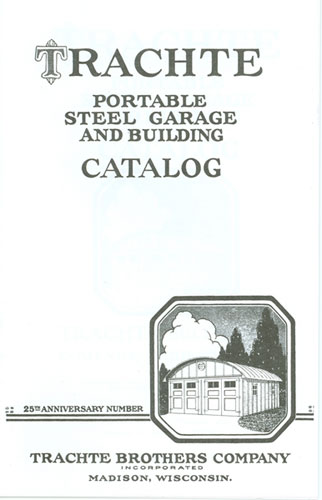
Trachte Brothers Co. is incorporated and publishes its first catalog illustrating the company’s line of tanks and heaters. The catalog lists 131 different sizes and styles of stock tanks plus feed troughs, mortar boxes, oil storage tanks, and feed cookers.
1919
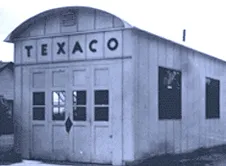
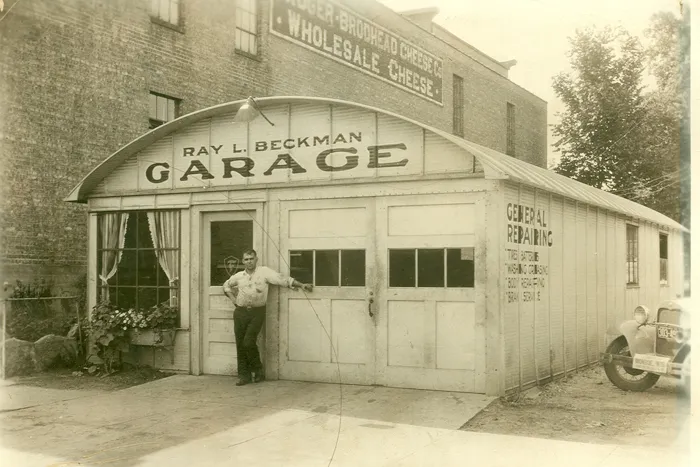
The first Trachte steel structure is built to house an automobile, Arthur’s new Dodge. The garage was a crude design using corrugated steel panels. This striking novelty attracted considerable attention from friends and neighbors. Soon, Trachte was manufacturing a more sophisticated version made of angled steel, iron framework, and corrugated sheeting. An 8′ x 16′ garage sold for $100 FOB Madison, WI.
1920s
1923
1926
1927
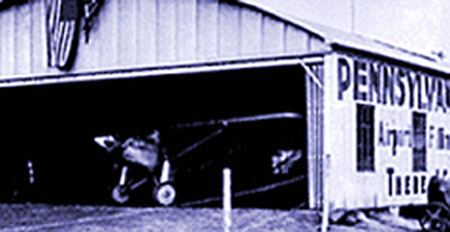
On August 22, a Trachte airplane hangar houses Charles Lindbergh’s Spirit of St. Louis during his visit to Madison’s Penco Field.
1928
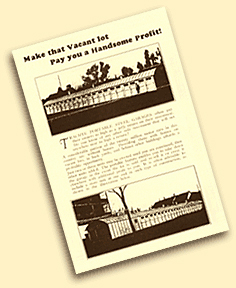
The concept of self storage begins to emerge. In print ads, Trachte positions this fertile opportunity to investors by describing the buildings as portable steel garages that could shelter the “more than 20 million motor cars without homes”. Potential investors began to realize the incredible possibilities and the concept of self storage as an investment was born.
1930s
1930
Trachte introduces the “modernistic cornice” mansard/facade for storefront designs. The design is intended to provide an art deco appearance to the company’s barrel-vaulted roofs.
1938
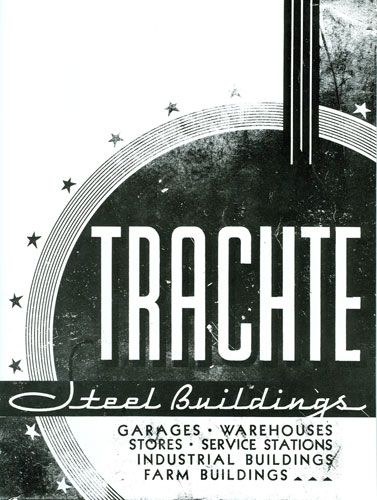
The company produces a 48-page catalog featuring its entire line of products, including garages, warehouses, service stations, industrial buildings, and farm buildings. The catalog also highlights Trachte’s doors including panel, sliding, and overhead.
1940s
1945
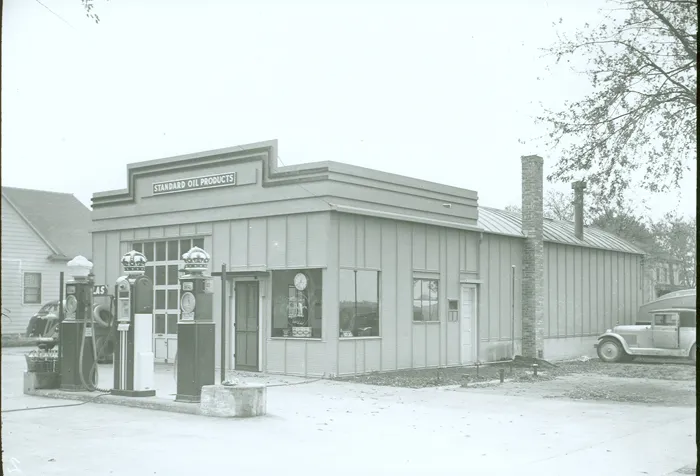
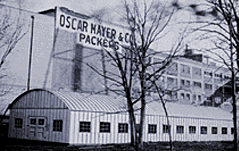
It wasn’t until after World War II when metal buildings gained widespread public acceptance. At the forefront of the metal building craze was the Quonset Hut. The popularity of the Quonset lent well to Trachte’s barrel-vaulted roof buildings with corrugated siding. Soon Trachte’s commercial and industrial buildings were marketed through a national dealer network. Trachte buildings became familiar sights as companies such as Oscar Mayer, Schappe Pontiac, Wisconsin Department of Transportation, Standard Oil, and Sinclair Oil considered them ideally suited to meet their needs
1950s
1952
Trachte Brothers Co. changes its name to Trachte Metal Buildings Company
1960s
1962
1965
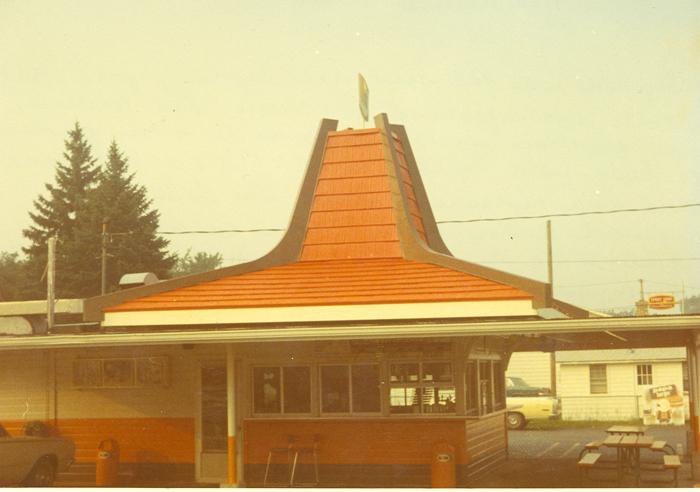
Lawrence “Red” Walters, a former officer of Trachte Brothers Co., approaches Trachte to manufacture and install the new A&W Root Beer pagoda design for his restaurant in Edgerton, WI. This was the first A&W steel pagoda built in the United States.
1968
1970s
1974
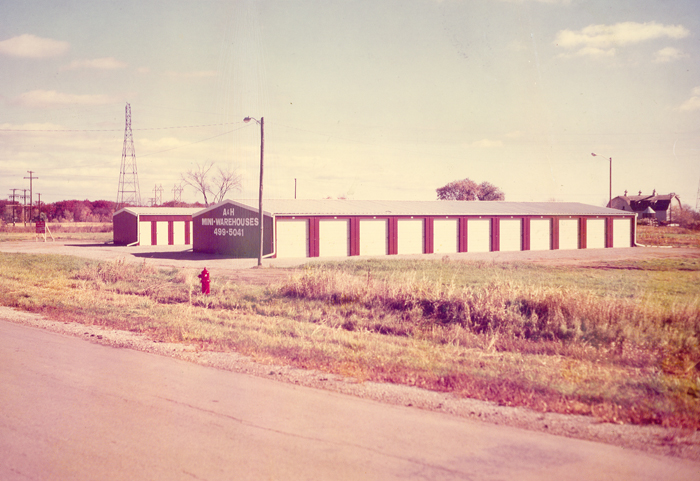
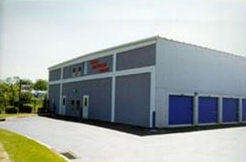
Trachte enters the self-storage industry by pioneering one of the first all-steel mini-warehouses in the country. The first mini storage building sold is located in Green Bay, WI. The structure is composed of angle iron framing.
1975
Trachte Metal Buildings Company changes its name to Trachte Building Systems, Inc.
1976
Trachte sells its first mini storage building outside the United States. The facility is located in Edmonton, Canada.
1978
Robert Trachte retires as President. As son of founder Arthur Trachte, he is the last Trachte family member to be involved in the company’s operation.
1979
The company sells its first two-story mini storage building. The facility is located in Glendale, California.
1980s
1981
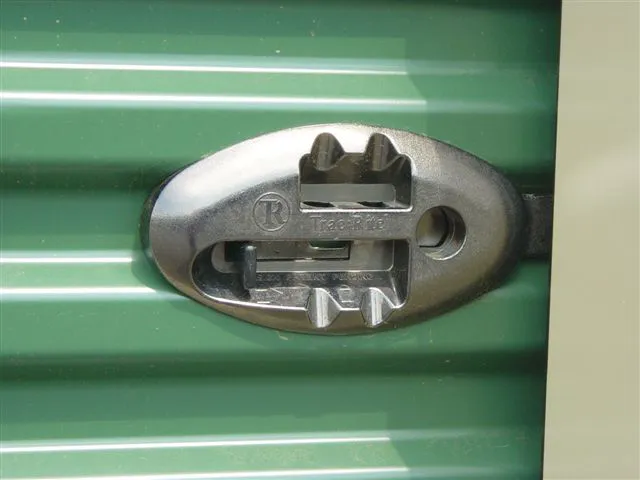
Trac-Rite® Door, Inc., a wholly-owned subsidiary of Trachte, is incorporated. Trac-Rite will manufacture steel roll-up doors for self storage and light commercial applications.
1983
Trac-Rite Door introduces the Guardian I Lock as an option on its steel roll-up doors.
1984
Stephen Pagelow purchases the majority control of Trachte Building Systems, Inc.
1985
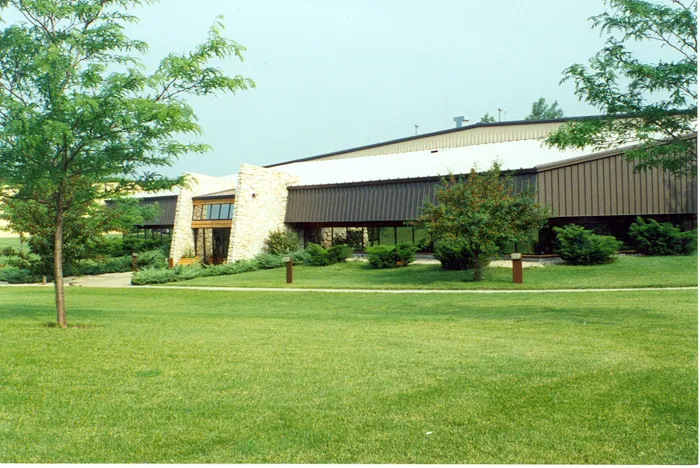
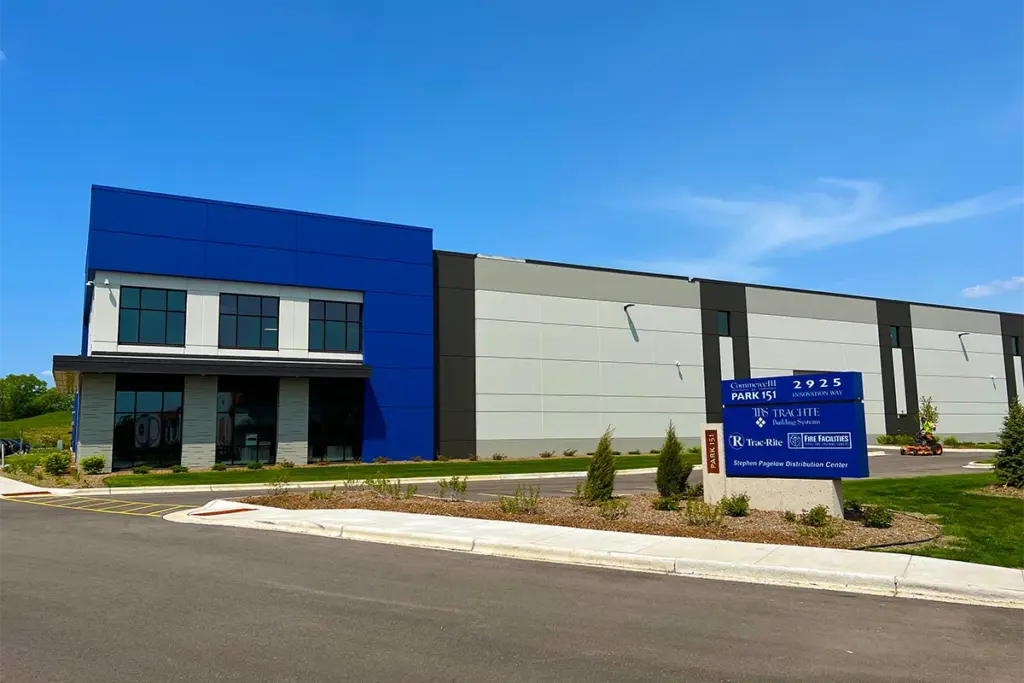
Trachte purchases six acres of land in the Sun Prairie Business Park and begins construction of its 40,000 sq. ft. manufacturing facility. On November 4, the company moves to its new location.
1987
1988
1989
1990s
1990
Trachte redesigns its standard self-storage building to include a new 18-gauge header and jamb system. This improvement eliminates the need for exterior bolts giving the building a clean, finished look.
1991
Trachte enters into an agreement with Fire Facilities Inc. to manufacture the company’s line of steel fire training towers.
1993
The manufacturing plant is expanded adding 18,000 sq. ft. to the facility.
Trachte wins Mini Storage Messenger’s Facility of the Year award for Satellite Self Storage located in Ocean, NJ. The project is a two-story self-storage facility built over two existing one-story buildings.
1995
Trachte expands its plant again adding 23,000 sq. ft. for a total of 100,000 sq. ft.
1996
In February, the company launches its first website and benefits from a sale from this medium.
Trachte introduces a free seminar program on how to develop a successful self- storage facility. In its first year, the company hosts six seminars throughout the United States. The seminars appear to be successful and become part of Trachte’s value added service offering.
1997
A help line is established to assist contractors during the installation process. Contractors can call the Tech Line to speak directly to knowledgeable Trachte staff regarding construction specifics, ensuring the project is properly assembled.
1999
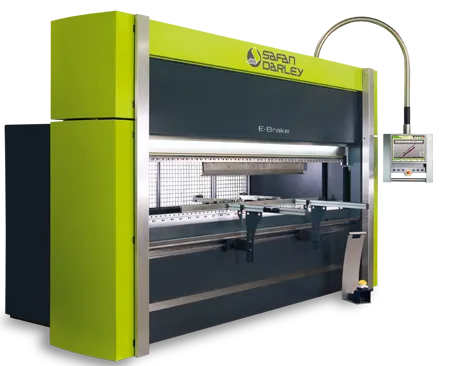
Trachte purchases a cut-to-length line and a folding machine allowing the manufacture of longer parts. Shortly after, the Boat/RV building is introduced.
An alliance between Trachte and VP Buildings is announced. The partnership is formed to provide VP Building’s distribution network of over 1,000 dealers a quality line of self-storage buildings.
2000s
2000
Trachte purchases Fire Facilities, Inc. As the leading provider of steel fire training towers to the fire industry, Fire Facilities nicely complements Trachte’s core competency of delivering quality, customized building solutions to its targeted markets.
2001
Trachte celebrates 100 years of business. The occasion is marked by an open house at the company’s headquarters on September 14. A candlelight vigil is held in honor of the events of September 11.
2002
Trachte receives the Certificate of Recognition award from the State of Wisconsin – Department of Workforce Development for successfully improving its workplace injury rate. Trachte’s workplace injury rate is now better than the statewide incident average for companies within the same industry category.
2004
An initiative to expand the manufacturing facility begins. Approximately 27,000 sq. ft. is added. The manufacturing plant now exceeds 116,000 sq. ft.
2005
Trac-Rite Door introduces the SpaceGuard latch and cylinder lock as new features on its steel roll-up doors.
2007
CSA-A660 Quality Certification is attained mid-year which ensures Trachte meets Canadian building code requirements and design standards.
In August, Trachte employees purchase the company and form an Employee Stock Ownership Program (ESOP). The newly formed ESOP is tested severely by the recession of 2007 to 2009, but ultimately emerges as a stronger company. This ESOP will become a significant source of wealth generation for long term Trachte employees.
2010s
2010
The Small Business Administration now allows loans to self storage businesses for the first time. The availability of credit to self storage developers helps the industry to begin recovery from a construction slowdown that began in 2008. Trachte purchases former competitor Tech-Fast buildings.
2015
With sales restored to record levels, Trachte’s manufacturing floor receives new and updated equipment. Benefits include lower energy consumption and faster manufacturing speed.
2017
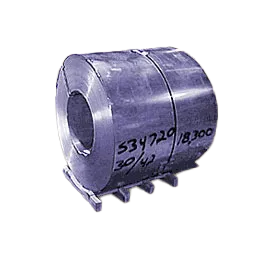
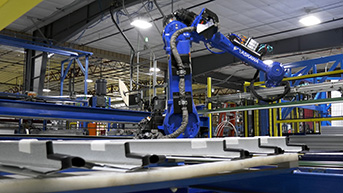
Trachte subsidiary Trac-Rite develops a new robotic manufacturing cell for roll-up doors. Known internally as the ADT (short for Automatic door table) and paired with a new panel rollformer, the robotic system eliminates a significant amount of manual material handling while increasing the company’s capacity. The robotic system goes through a series of improvements in following years to increase speed and reliability.
The new panel rollformer brings an additional benefit of forming a more precisely rolled panel, improving the operation of installed roll up doors.
2020s
2020
This acquisition provides Trachte Building Systems with a new operating platform that will improve its position as the leading resource for self-storage building systems, steel curtain doors, refurbishment services and public safety training systems. It will also provide the required resources to accelerate the growth of Roof Mart and Made Right Buildings.
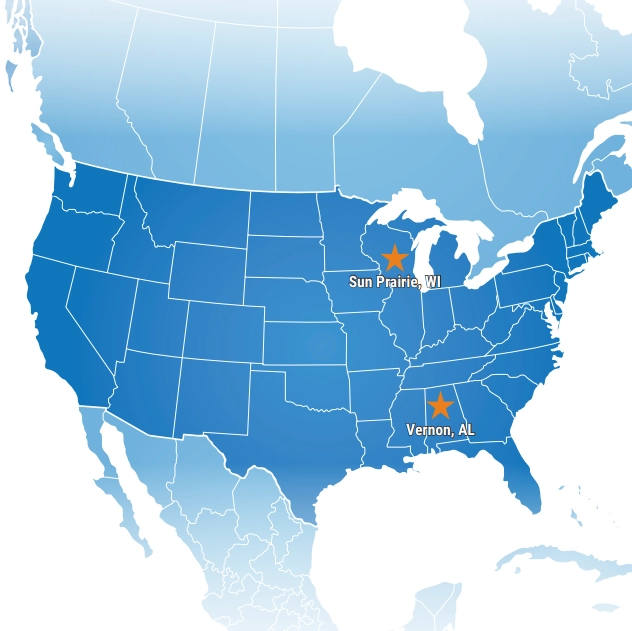
The Roof Mart companies were started by Robert McNees in 2004 and are based in Vernon, Alabama. Roof Mart and Made Right manufacture and market metal roof panels, wall panels, trims, trusses, sheds, and post and beam building packages. They also erect post-frame buildings.
Also in 2020, Trachte proudly paid off the remaining debt associated with becoming 100% employee owned. As a debt free and employee owned company, Trachte invests for long term success, not short-term quarterly profits.
2023
2025
Trachte Building Systems strengthened its national presence by acquiring MakoRabco—a leading self-storage design and construction company based in California and Florida. This strategic move unites two respected brands that share a passion for quality, customer relationships, and innovation, while enhancing Trachte’s reach and capabilities in key regions across the country. The acquisition expands Trachte’s end-to-end solutions, from site layout and design through manufacturing and erection.
Contact
Talk to a TBS Representative Today.
Every day, our teams translate vision into execution. From self-storage facilities of every scale to integrated corridor and door systems, to specialized training environments that help prepare first responders to protect and save lives, TBS provides the platform that allows each brand to perform at its highest level. We coordinate expertise, strengthen execution, and create momentum across the portfolio so that our brands and our customers can move forward with confidence.